Case Study 3 - Augumented Reality Art Tour: Lumin
Introduction
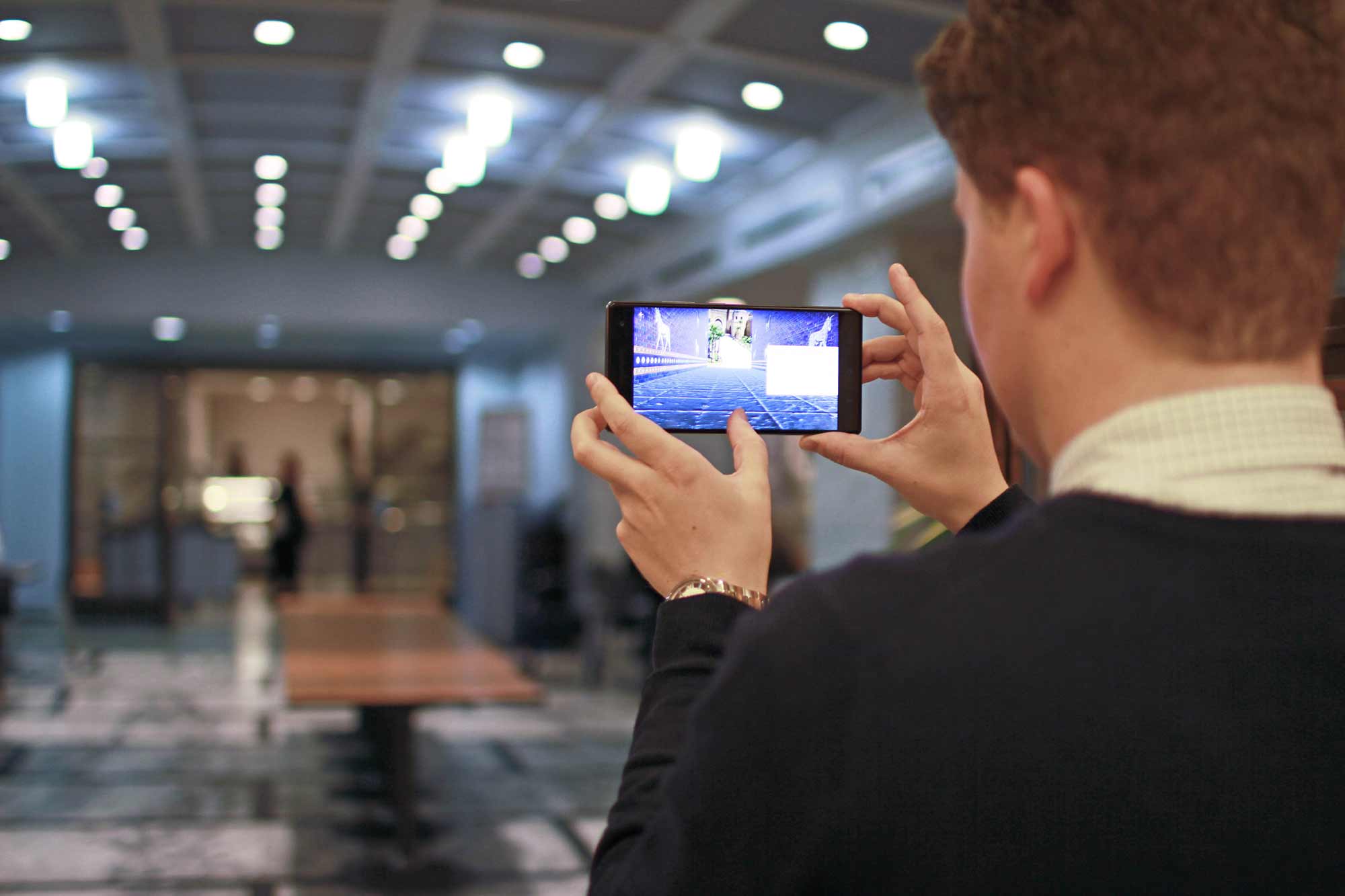
Lumin is an augmented reality (AR) tour that allows users to tour the Detroit Institute of Arts. It was created in association with Google and GuidiGo. The project helps to encourage visitors to engage with non-digital activities such as labels and brochures upon visiting the museum. The Lumin tour currently functions in seven section of the gallery space.
Lumin AR tool was created to allow the visitors to interact with art or
history in more intimate way. For instance, Lumin AR tool helps visitors to
come closer with art and understand how objects were used in everyday lives of
ancient people. The visitor will just look at an empty gray piece of pottery
without the help of this AR technology. But when a visitor uses ‘Lumin’, it
shows how the pottery looked like centuries ago and what it was used for.
The visitors have to point their device at certain sculptures, paintings and artifacts to learn more about them. There will be more informations and descriptions regarding the related items. The most interesting part of this AR technology is the option to take a ‘x-ray’ of the mummy. Thus, they can look at both interior and exterior of the mummy.
 |
| Description of ancient items |
 |
| Scanning the mummy |
Besides that, Lumin AR tool can also be used for navigation. Visitors will be guided from their current location to their destination by following the virtual dotted lines which appears on the screen of their device.
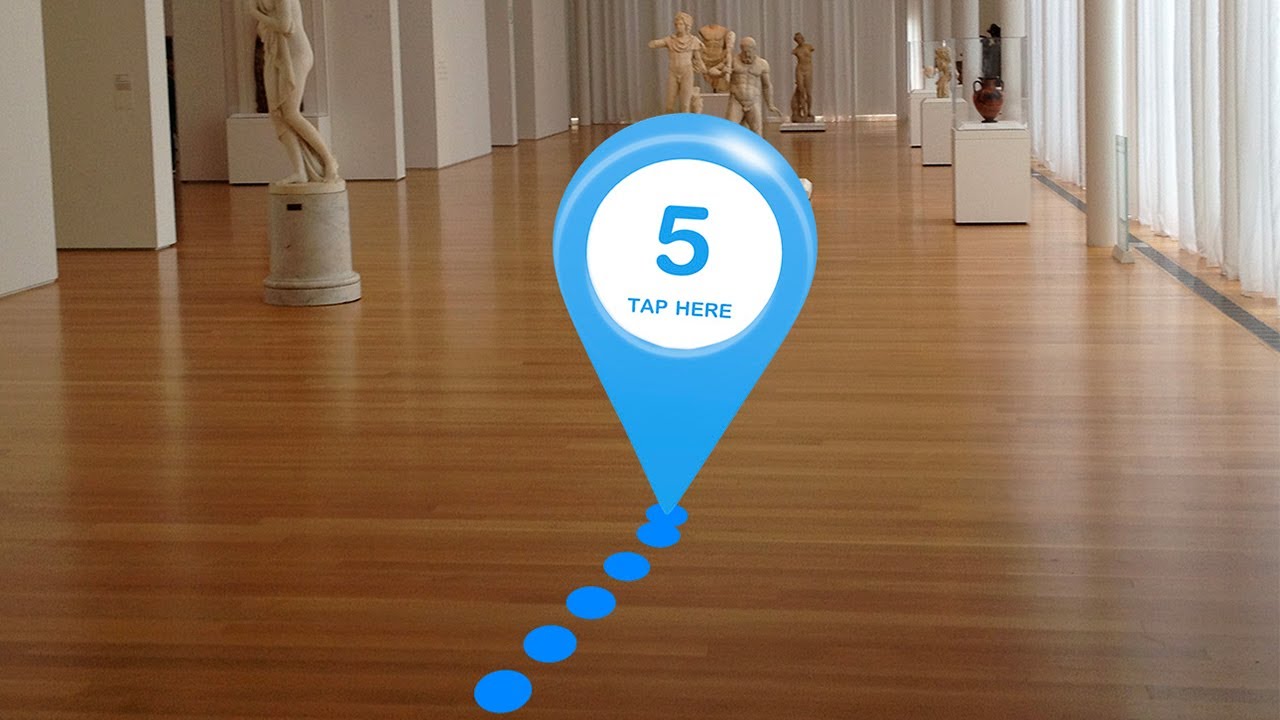 |
| Navigation tool |
Video
Thoughts and Analysis
In conclusion, Lumin AR tool gives opportunity to the people to discover ancient items by not using the traditional media. It also encourages the people to enhance their experience with technology. Besides that, the interaction aids the people to gain more knowledge about the history and experiencing themselves in the past. The best part of this tool is that we can study the structure of mummy rather than just looking at the outer part of it. Other than that, the navigation system that is implemented on Lumin provides convenient to the visitors. It is user-friendly because they just have to follow the virtual path on the screen. Thus, the visitors will not easily get lost in the museum. Moreover, the virtual map is handier to use rather than a hand hold map because people would easily throw the map which is an act that is not environmental-friendly. I hope that more museums can utilize this concept to make life easier.


Comments
Post a Comment