Case Study 2 - MORI Building DIGITAL ART MUSEUM: teamLab Borderless
Introduction
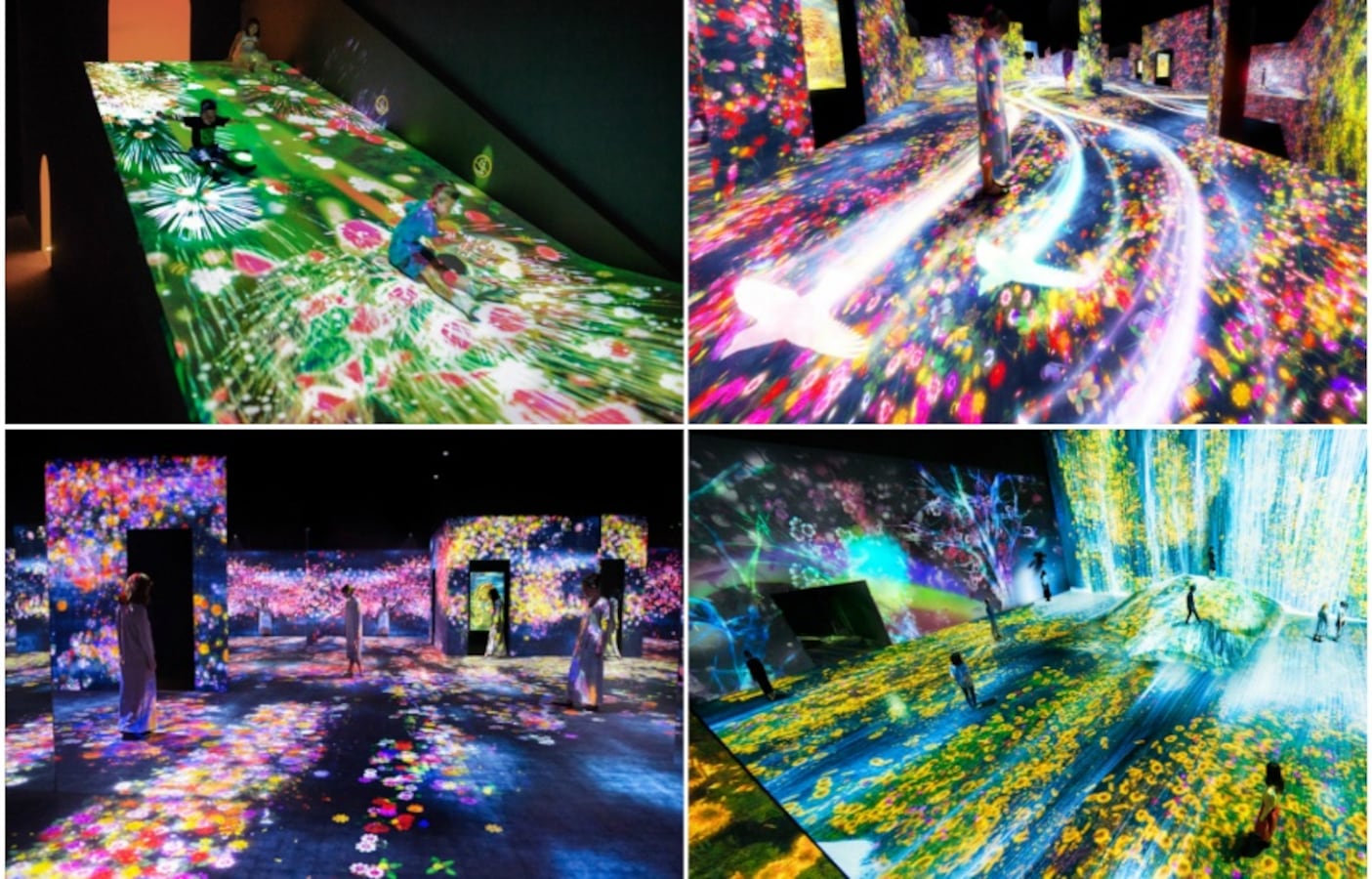
MORI Building DIGITAL ART MUSEUM: teamlab Bordeless is the world’s first digital museum that displays digital interactive arts. It is created by art collective, called teamLab and located in Tokyo’s Odaiba district. Teamlab Borderless is also known as a world of artworks without boundaries because it is a museum without a map.
The museum has 10,000 square meter spaces that uses 520 computers and 470 projectors. It is filled with more than 50 pieces of digital artworks. The 3D digital arts move freely and constantly in motion from one exhibition to the next so that the visitor can immerse themselves with the wonderful artworks together.
Interactions
The artworks are spread across the museum’s five zones. The first zone
is called ‘Borderless World’, an interactive digital landscape where visitors
are encouraged to create their own path. People can walk through digitized
waterfalls and touch luminescent birds through computer generated forests and
fields. The seasons will change constantly to allow the visitor to experience
different vibes from the artworks.
Another interesting zone of the museum is called, Future Park. The park is designed for kids to expand their imagination through art. The kids have to interact with the art through various games and activities, such as an aquarium teeming with digital fish designed by the kids themselves and a musical wall that plays sounds upon touch. Teamlab also allows visitor to control or adjust the colors of LED lanterns using their app.
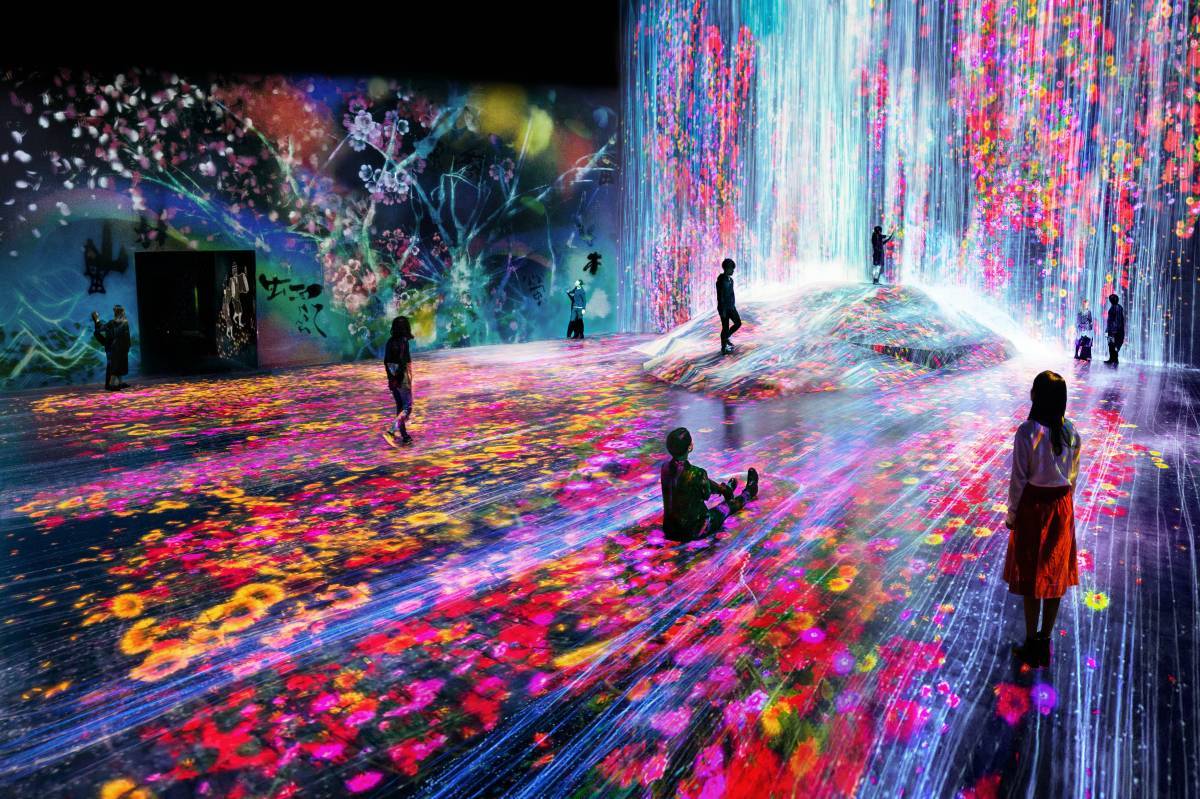 |
| 'Borderless World' |
 |
| 'Future Park' |
 |
| 'Forest of Resonating Lamps' |
In conclusion, these highly interactive artworks all come together to
create one limitless world that welcomes us to dive right in. The installations
that are created using high technology allow us to explore and discover a new
world of art. I feel that the whole set up are interesting because teamlab plays
around with the projection mapping creatively. Besides that, the interactions
allow people to get more interested in art. The creative usage of projection
mapping also cultivates designers to develop their creative thinking skills to
create an artwork. I believe that the interrelation between science and art
will help us to interpret, study and explore the world around us. The technique or projection mapping can be used in other themes for interaction. I thought of the idea of futuristic or cyberpunk can be devoloped from this to enable human to experience another world with high technology.


Comments
Post a Comment